
RV Buying Across All 50 States
Sell My RV Nationwide — Locations in All 50 States
✓ RV purchase inquiries from all 50 states
✓ No obligation to accept an offer
✓ Free towing included with an agreed purchase
YOUR NATIONWIDE DIRECTORY
Start With Your Region
50 state guides. 20 featured city guides. One place to get started.
Find RV Buying Information for Your State
Whether your RV is parked near home, at a campground, in storage, or on rural property, begin with the state where the RV is physically located. QuickRVBuyer considers purchase inquiries from private RV owners nationwide, including Alaska and Hawaii. Dealerships may also submit RVs for consideration.
Choose your state to find guidance relevant to its ownership paperwork, RV condition, and pickup planning. These are service-area guides, not local office listings. You can also request a purchase evaluation without agreeing to sell.
CHOOSE YOUR LOCATION
Browse RV Buying Locations in All 50 States
The states below are organized into four regions to make the directory easier to scan. Select the state where your RV is currently located, even if your home address or title was issued elsewhere.
9 STATES
Northeast

13 STATES
West
FEATURED CITY GUIDES
Featured Cities for Selling an RV
These 20 guides address seller situations that arise in particular metropolitan areas. Their inclusion does not mean there is a QuickRVBuyer office in that city. An RV located elsewhere can still be submitted for consideration.
CITY GUIDE / 01
Dallas, TX
If a motorhome or fifth wheel is in a gated suburban storage facility, have the operator’s access instructions ready. Photograph any known hail repairs, especially roof components and exposed panels.
CITY GUIDE / 02
Los Angeles, CA
For an RV parked on a narrow residential street or a tightly arranged storage lot, describe clearance, turning room, and access restrictions. California sellers should also check the state’s transfer-notice requirements.
CITY GUIDE / 03
Tampa, FL
Near coastal storage areas, disclose any prior storm or water intrusion repairs and describe whether the RV is in an enclosed lot or exposed outdoors. Confirm collection permissions with the site manager.
CITY GUIDE / 04
Houston, TX
If the RV has ever taken on water, describe what was affected and what was repaired. Low-ground parking, muddy approaches, or a soft storage surface should also be identified before pickup is considered.
CITY GUIDE / 05
Phoenix, AZ
A long stay in the sun can make roof sealant, exterior finishes, and batteries worth inspecting. If systems have not been tested since storage, say so instead of assuming they work.
CITY GUIDE / 06
Orlando, FL
For an RV kept at a seasonal campground or storage facility, provide the site’s departure rules and access information. Note when the air conditioner, slides, and water system were last operated.
CITY GUIDE / 07
Sacramento, CA
Tell us if the trailer has been parked through multiple hot summers and whether the tires, brakes, and bearings have been inspected. A California-titled RV may also require a separate seller notification.
CITY GUIDE / 08
Grand Rapids, MI
For RVs coming out of seasonal storage, describe the winterization method and whether water lines, pump, and hot-water equipment have been tested since temperatures rose.
CITY GUIDE / 09
Columbus, OH
If the RV is in a commercial indoor storage building, mention when it can be accessed and whether it can be rolled or driven out safely. Clarify who holds the title before arranging transfer.
CITY GUIDE / 10
Denver, CO
Describe any hail-related exterior or skylight work and whether the RV sits on a steep driveway. For a non-running motorhome, access may matter as much as distance.
CITY GUIDE / 11
Las Vegas, NV
Long outdoor storage in a dry climate makes exterior seals, faded surfaces, and battery readiness useful details. Share current photos rather than relying on images from the last camping season.
CITY GUIDE / 12
Tucson, AZ
If you live outside Arizona part of the year, say who can provide lawful access to the RV. Include the actual storage ZIP code and current system condition, not only the last service date.
CITY GUIDE / 13
Salt Lake City, UT
Mountain-adjacent driveways and storage roads may present slope or turning limitations. For fifth wheels, tell us about landing gear, tires, and any difficulty moving the unit.
CITY GUIDE / 14
Seattle, WA
For an RV stored through wet seasons, explain any repaired roof, window, or slide-seal leaks. Washington sellers should also check whether a Report of Sale is required for their transaction.
CITY GUIDE / 15
Portland, OR
If the RV is stored under trees or on a narrow hillside property, report overhead clearance and soft or uneven ground. Include details of any moisture repairs separately from routine maintenance.
CITY GUIDE / 16
Atlanta, GA
For a motorhome stored outside the city in a gated or managed facility, confirm retrieval access and whether it starts and drives. Photos of the generator and slide-control panels can clarify equipment condition.
CITY GUIDE / 17
Charlotte, NC
If the RV spends part of the year at another property, provide its current location rather than your mailing ZIP code. Explain any slide, leveling-jack, or tow-hitch problems before discussing movement.
CITY GUIDE / 18
Nashville, TN
If the RV sits on sloped rural property or behind a gravel drive, describe the route and ground conditions. Note whether the generator, shore-power connection, and other systems were tested recently.
CITY GUIDE / 19
Chicago, IL
Share the last winterization date and any known freeze damage. For RVs in tight urban or suburban storage, provide length, height, and gate-access details for possible collection.
CITY GUIDE / 20
Philadelphia, PA
Pennsylvania title signatures may require notarization or verification. Check co-owner and lien information early, and explain any narrow-street or facility restrictions at the RV’s parking location.
What Location Changes About Selling an RV
The RV’s address is more than a ZIP code for a purchase inquiry. It can affect the paperwork you need, which photographs are helpful, and how an agreed collection could be planned.
The RV’s Actual Location
Use the ZIP code where the RV is parked, not just your home address. If it is at a campground, seasonal lot, storage center, or another owner’s property, explain who can grant access and whether an appointment is required.
Its Storage and Condition History
Describe what you know about previous leaks, hail, heat exposure, collision repairs, freezes, or long periods without use. Those factors do not prove that a particular RV is damaged. They help identify what should be checked and which photos to include.
Road and Property Access
A roadworthy Class B van and a fifth wheel with damaged landing gear call for different collection plans. Mention length, height, clearance, slope, surface stability, locked gates, and whether the unit can move safely. If you do not know, say so.
The State Where It Is Titled
The RV may be physically located in one state while its paperwork comes from another. Identify both. A lienholder, multiple owners, electronic title, or expired registration can affect the steps necessary to complete an agreed sale.
MOTORIZED AND TOWABLE
RV Types You Can Submit
QuickRVBuyer considers major motorized and towable RV categories, primarily from private owners. The type, age, condition, documentation, and market circumstances of each RV are assessed individually. Submitting a vehicle does not guarantee that it will be purchased.
Class A Motorhomes
For a gasoline or diesel Class A, include mileage, running condition, generator operation, slide-out condition, roof history, and any known chassis or engine problems.
Class B Camper Vans
For a camper van, tell us about the underlying vehicle, mileage, factory or aftermarket conversion, batteries, and the living systems you have tested.
Class C Motorhomes
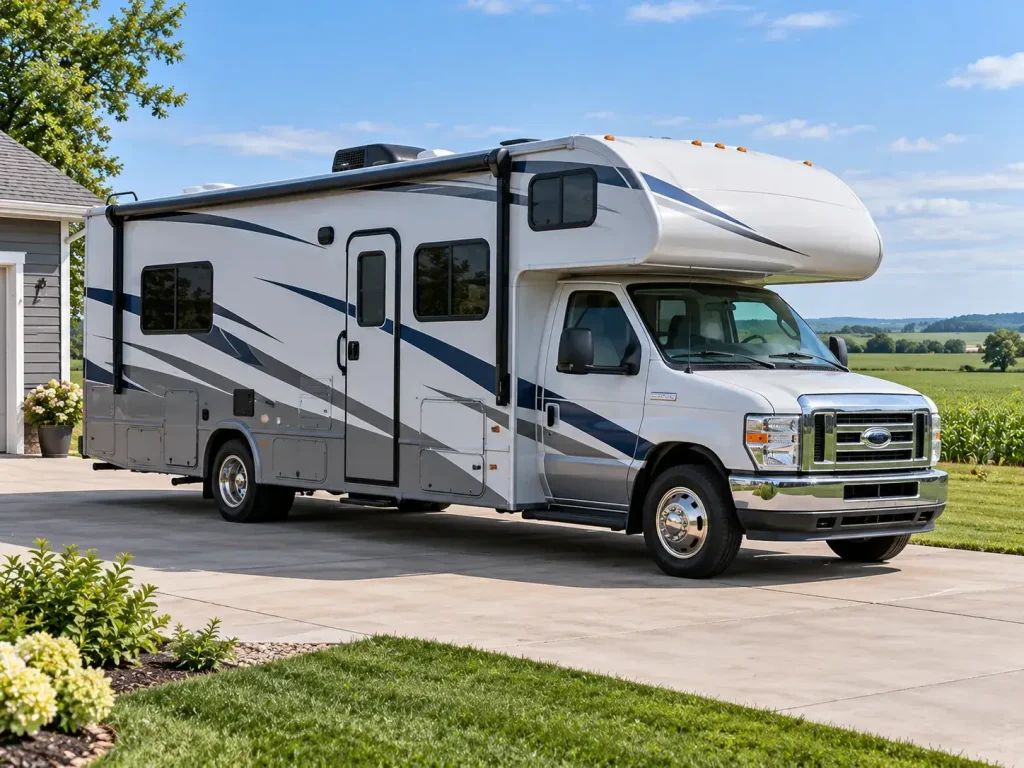
Describe engine and drivetrain condition, mileage, appliances, and any cab-over seam or roof repairs. The cab-over area is worth photographing when it has shown signs of moisture.
Travel Trailers
A travel trailer does not have a drive engine. Useful details include floor and roof condition, axles, tires, brakes, hitch, slide-outs, and whether it can currently be towed safely.
Fifth-Wheel Trailers
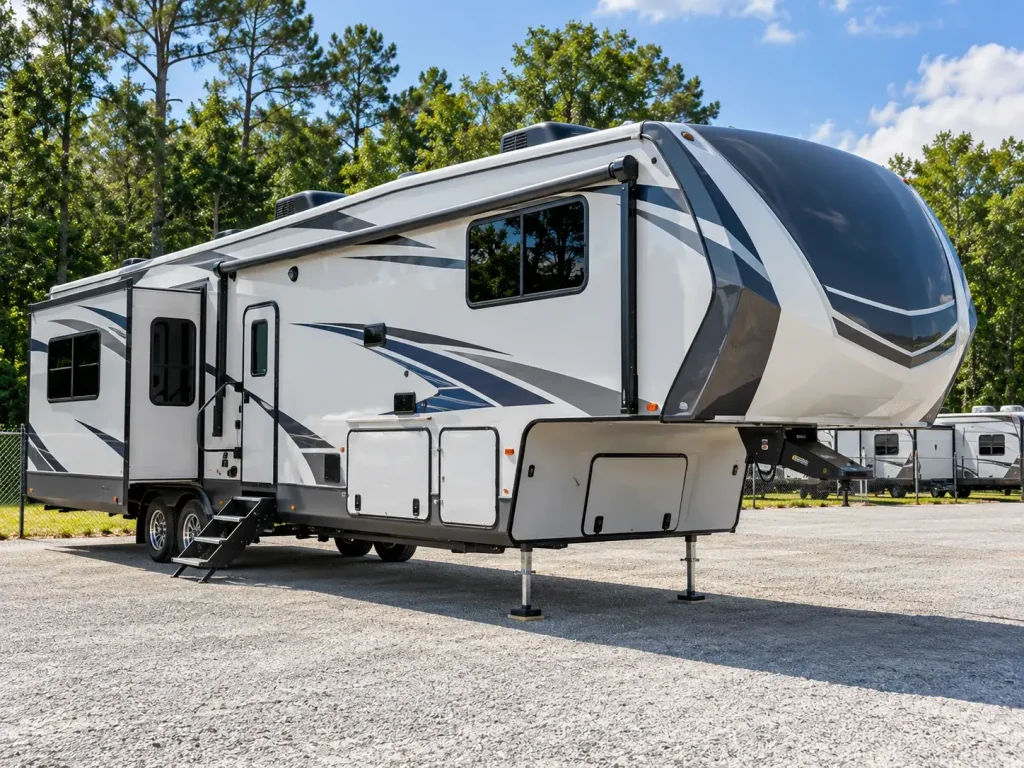
Tell us about the pin box, landing gear, tires, frame, slides, and overall length. If the fifth wheel cannot be moved normally, explain why and describe the parking location.
Toy Haulers
Toy haulers may be towable or motorized. Include information about the ramp, garage floor, loading area, restraints, and living systems, along with the unit’s basic type.
Pop-Up Campers and Truck Campers
For a folding camper, describe canvas or panels, lifting mechanisms, and floor condition. For a truck camper, include jacks, tie-down points, mounting condition, and whether a truck is part of your inquiry.
Specialty and Other RVs
If the RV does not fit the categories above, submit its identification, dimensions, condition, and location for review. Eligibility for an unusual vehicle type cannot be assumed.
FROM INQUIRY TO AGREED SALE
How a Nationwide RV Purchase Evaluation Works
Step 1 — Describe the RV
Use Value My RV to provide your contact information, the RV’s type, year, make, model, location, condition, and known issues. Add clear photos when available. Dealerships can identify their inventory inquiries in the details.
Step 2 — Review the Possible Purchase
The information is considered for a potential direct purchase. Further details or a condition review may be needed. A purchase evaluation is not a certified appraisal, an instant automatic valuation, or a promise to buy every unit. If an offer is made, you can ask questions and decide whether to accept it. You are not obligated to proceed.
Step 3 — Agree on Details and Arrange Collection
If a sale is agreed upon, ownership paperwork, payment arrangements, collection location, and access details must be confirmed. Free towing is included with an agreed purchase. The actual collection plan depends on the RV and its circumstances; an inquiry alone does not create a towing booking.
See Our Process for more information about the stages of a possible transaction.
What to Prepare Before Submitting Your RV
You do not need to write a classified advertisement. Start with accurate information that helps someone understand what you own and where it is.
✓ Vehicle identity: RV type, year, make, model, length or floor plan if known, and identifying information when requested securely.
✓ Condition today: For motorhomes, whether the engine starts and the unit can drive. For trailers, whether the tires, brakes, hitch, or landing gear make normal towing possible.
✓ Major systems: State whether the generator, slides, appliances, plumbing, and air conditioning work, do not work, or have not been tested.
✓ Repairs and damage: Describe previous or ongoing roof leaks, water damage, collision repairs, storm damage, mechanical problems, or structural concerns without understating them.
✓ Useful photographs: Exterior views, identification labels, interior living space, known damage, tires, and the RV’s parking position help document its condition and access.
✓ Ownership: Let us know whether the title is available, another owner must sign, or a lender still has an interest in the RV. You can discuss the situation before sending sensitive documents.
✓ Pickup access: Mention locked gates, narrow lanes, steep grades, private storage rules, or a location far from a main road.
If you have not checked a system, mark it as untested instead of claiming it works. This helps keep the evaluation grounded in what you actually know.
SELLER DOCUMENTS
State Paperwork: Six Examples Worth Checking
Every state has its own procedures, and motorized vehicles and trailers do not always follow identical requirements. These examples are not a complete nationwide legal checklist. Check the current instructions from the agency responsible for your RV’s title and registration.
California
** The California DMV Notice of Transfer and Release of Liability explains when a seller must notify DMV, including a five-calendar-day deadline for applicable transfers.
Texas
** The Texas DMV buying and selling guide explains how a Vehicle Transfer Notification submitted within 30 days can protect a seller from certain post-sale liabilities.
Florida
** FLHSMV’s selling-a-vehicle guide discusses the Notice of Sale, title reassignment, lender interests, and removing a motor-vehicle plate during an applicable sale.
Washington
** The Washington Department of Licensing Vehicle Report of Sale applies to registered vehicles including applicable trailers and directs sellers to file within five business days.
Pennsylvania
** PennDOT’s buying and selling guide explains when a seller’s signature on a Pennsylvania title must be notarized or verified.
Arizona
** The Arizona Department of Transportation Sold Notice explains the seller notice and how the state records a transfer; the agency requires notice within 10 days of an applicable sale or transfer.
An existing lien, missing title, electronic title, or out-of-state registration may require additional steps. If you’re uncertain, identify the issue when requesting an evaluation rather than signing or submitting incomplete transfer documents.
Pickup at a Home, RV Park, Storage Lot, or Remote Address
If QuickRVBuyer and the owner agree on a purchase, the next step includes working out safe collection. A travel trailer on firm, open ground may require different equipment from a motorhome that will not start or a fifth wheel in a restricted storage lane.
Tell us if the RV is behind a locked gate, on soft or steep ground, blocked by other vehicles, or subject to facility check-out procedures. If it sits in Alaska, Hawaii, or another remote area, give the exact location so transport feasibility can be reviewed rather than assuming mainland logistics apply everywhere.
IMPORTANT PICKUP DETAIL
Free Towing With an Agreed Purchase
Free towing is included with an agreed purchase. It is not a standalone free removal service for inquiries that do not lead to a purchase.
ANSWERS BEFORE YOU SELL